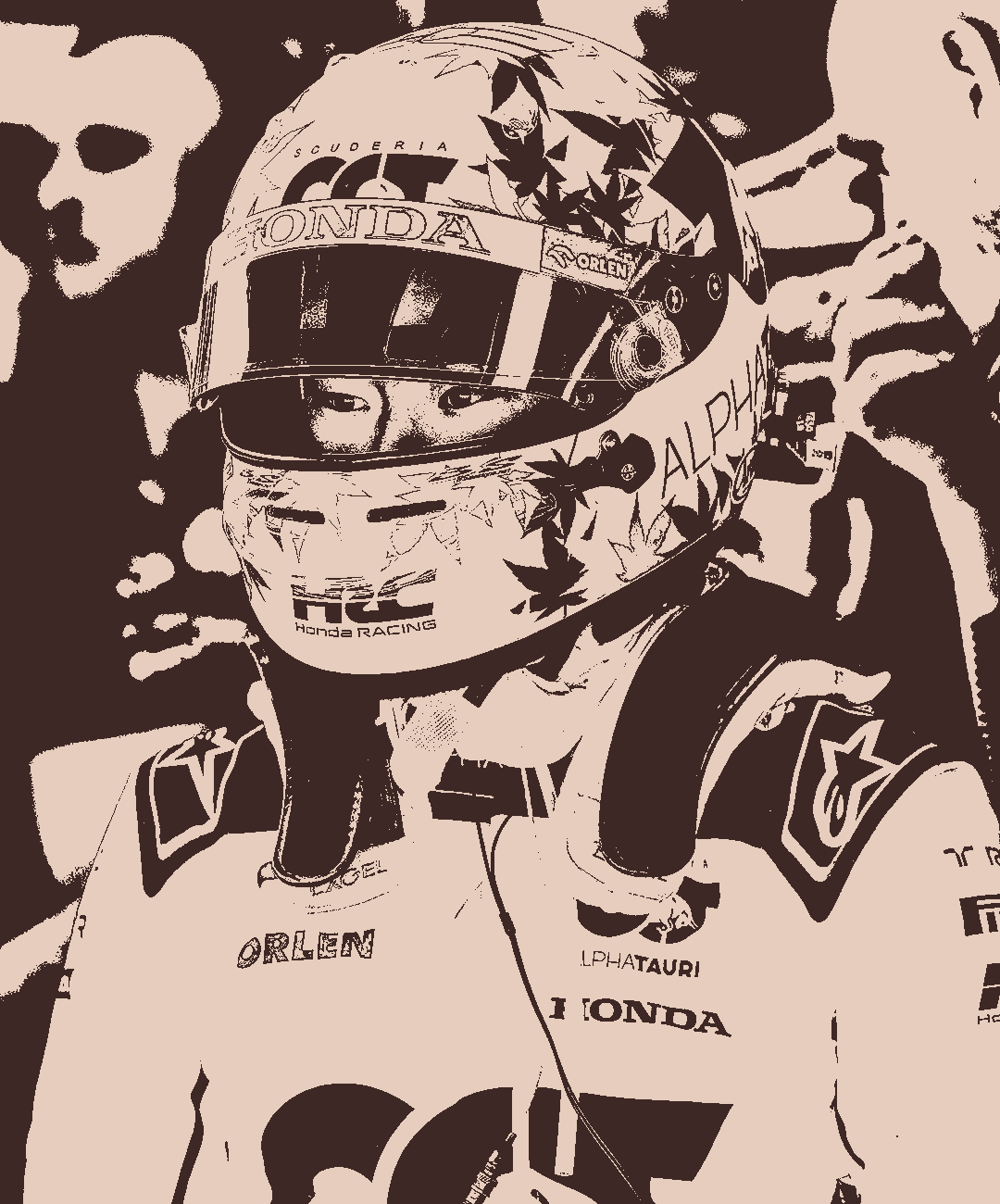
Bit-depth in an image is basically how much color information each pixel can hold, which directly affects how rich and detailed the picture looks. The higher the bit-depth, the more colors you get, which means smoother gradients and more accurate color reproduction. For example, an 8-bit image can show 256 colors, while a 16-bit image can display over 65,000. That extra depth really matters in areas like photography and graphic design, where even small shifts in color can make a big difference. Understanding bit-depth is key if you want to create visuals that feel polished, striking, and engaging.
In the digital world, using images with a lower bit depth can actually be a smart choice for improving user experience. These images load faster, which is crucial for holding the attention of visitors who might click away if a page takes too long. A quick-loading site also gives off a sense of efficiency and professionalism, encouraging users to stick around and explore further. On top of that, lower bit depth images can sometimes feel more emotional or visually striking, especially for audiences who enjoy a clean, minimalist style. By balancing speed with visual appeal, you can create a browsing experience that keeps people engaged and wanting to return.